
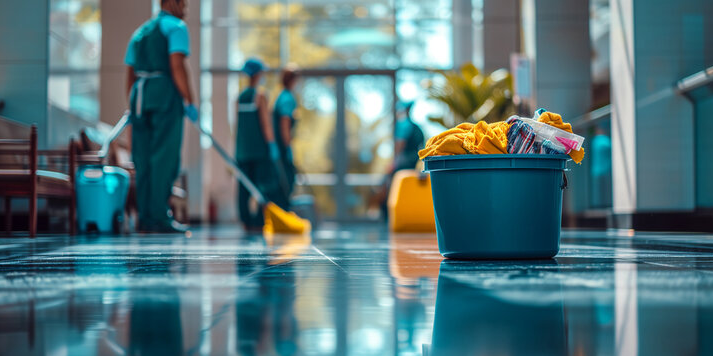
Maintaining a clean and healthy workplace is essential for employee productivity, visitor impressions, and the long-term care of your building. Multi-story commercial facilities, such as office towers, hospitals, and large educational campuses, pose unique challenges when it comes to deep cleaning. A deep clean is more than just tidying up; it involves thorough sanitization, attention to high-touch areas, and specialized techniques to ensure the environment is safe and welcoming. With careful planning and the right expertise, this process can be efficient and effective. Partnering with a professional cleaning company like Burgos Cleaning can make a significant difference in achieving consistent, high-quality results.
1. Assess the Scope of Your Facility
The first step in planning a deep clean is to thoroughly assess your facility. Start by reviewing the floor plans and taking note of all areas that need attention. This includes offices, conference rooms, restrooms, break rooms, hallways, elevators, and any specialized spaces like laboratories, kitchens, or server rooms. High-traffic zones often require extra attention due to increased dirt and germ accumulation, while areas that are used less frequently may still need occasional deep cleaning to prevent dust build-up and maintain a professional appearance.
Conducting a facility assessment allows you to prioritize tasks and allocate resources effectively. For large facilities, this may mean identifying areas that require specialized equipment or additional manpower. A professional cleaning service can assist in evaluating your building, highlighting problem areas, and creating a comprehensive cleaning plan tailored to your facility’s unique needs.
2. Create a Strategic Cleaning Schedule

Deep cleaning a multi-story facility cannot be completed in a single session. Developing a structured cleaning schedule is crucial to ensure efficiency and minimal disruption. Start by dividing the work floor by floor, completing one section at a time. Scheduling off-hours cleaning, such as evenings or weekends, can prevent interference with employees’ daily routines while allowing cleaning teams to operate safely.
It’s also important to determine how often certain areas need deep cleaning. High-traffic spaces like lobbies, restrooms, and elevators may require weekly attention, while less frequently used areas might only need a monthly or quarterly deep clean. Professional cleaning companies, including Burgos Cleaning, have experience designing custom cleaning schedules that fit your facility’s operational needs, ensuring a consistent and effective approach.
3. Use the Right Methods and Equipment
The effectiveness of a deep clean depends on using appropriate cleaning methods and equipment. Carpets and rugs require vacuuming, shampooing, and stain treatment using commercial-grade machines. Hard flooring surfaces, such as tile, concrete, and hardwood, benefit from auto-scrubbers, mops, and specialized cleaning solutions that remove dirt without damaging the surface.
Windows and glass surfaces, particularly in high-rise buildings, require streak-free cleaning solutions and proper safety gear to prevent accidents. Restrooms and kitchens are critical for hygiene and require disinfectants focused on high-touch surfaces such as sinks, handles, countertops, and door knobs.
Professional cleaning companies have access to advanced equipment and proven cleaning techniques. Utilizing these resources ensures that every area, from floors to ceilings, is thoroughly sanitized while maintaining the integrity of building surfaces.

4. Prepare a Skilled Cleaning Team
Cleaning a multi-story facility efficiently requires a well-organized and trained team. Assign specialized roles for floor care, window cleaning, restroom sanitation, and general maintenance. Team members should receive proper safety training, including ladder safety, chemical handling, and emergency procedures. A team supervisor should monitor progress, ensure adherence to the cleaning plan, and address any issues that arise during the process.
Experienced crews from companies like Burgos Cleaning bring knowledge and professionalism that can greatly improve efficiency and quality. Their expertise allows them to handle large-scale facilities safely while meeting the high standards expected in commercial spaces.
5. Communicate with Building Occupants
Communication is essential to minimize disruption and maintain safety during a deep clean. Notify employees, tenants, or visitors about cleaning schedules and which areas will be temporarily inaccessible. Placing signage in workspaces, stairwells, and common areas can alert occupants to wet floors or restricted zones. Encourage feedback so that any overlooked areas or special concerns can be addressed promptly.
Clear communication also helps maintain trust between management and occupants. When people know what to expect during a deep clean, they are more likely to cooperate, allowing cleaning teams to work efficiently and safely.
6. Conduct Quality Checks
After completing each phase of the deep clean, inspections are critical to ensure that the work meets professional standards. Using checklists to evaluate floors, restrooms, offices, and common areas helps maintain consistency and accountability. Supervisors should conduct spot inspections to verify thoroughness, while documentation of completed tasks can be valuable for future planning and identifying areas for improvement.
Regular quality checks not only guarantee that the facility is spotless but also reinforce the value of professional cleaning services. This process ensures that nothing is missed and helps maintain a consistent level of hygiene throughout the facility.
7. Maintain Cleanliness Between Deep Cleans
A deep clean is most effective when combined with ongoing maintenance. Implement daily or weekly cleaning routines for high-traffic areas, such as restrooms, lobbies, and break rooms. Preventive measures, including the use of floor mats, air filters, and proper waste management, help reduce the accumulation of dirt and germs.
Periodic evaluations of the facility can identify new areas that may require additional attention. Establishing a continuous cleaning strategy ensures that your multi-story building remains healthy, safe, and welcoming for employees, clients, and visitors.
Final Thoughts
Deep cleaning a multi-story commercial facility can seem overwhelming, but with structured planning, the right equipment, and a skilled team, it can be executed efficiently and effectively. Partnering with a professional cleaning company, such as Burgos Cleaning, provides the expertise, tools, and support needed to achieve a spotless, safe, and inviting environment.
By assessing your facility, creating a strategic schedule, employing proper cleaning methods, training your team, maintaining communication, conducting quality checks, and following up with ongoing maintenance, your multi-story facility can maintain high standards of cleanliness and hygiene year-round. A clean workplace not only supports health and productivity but also enhances the overall image of your organization