
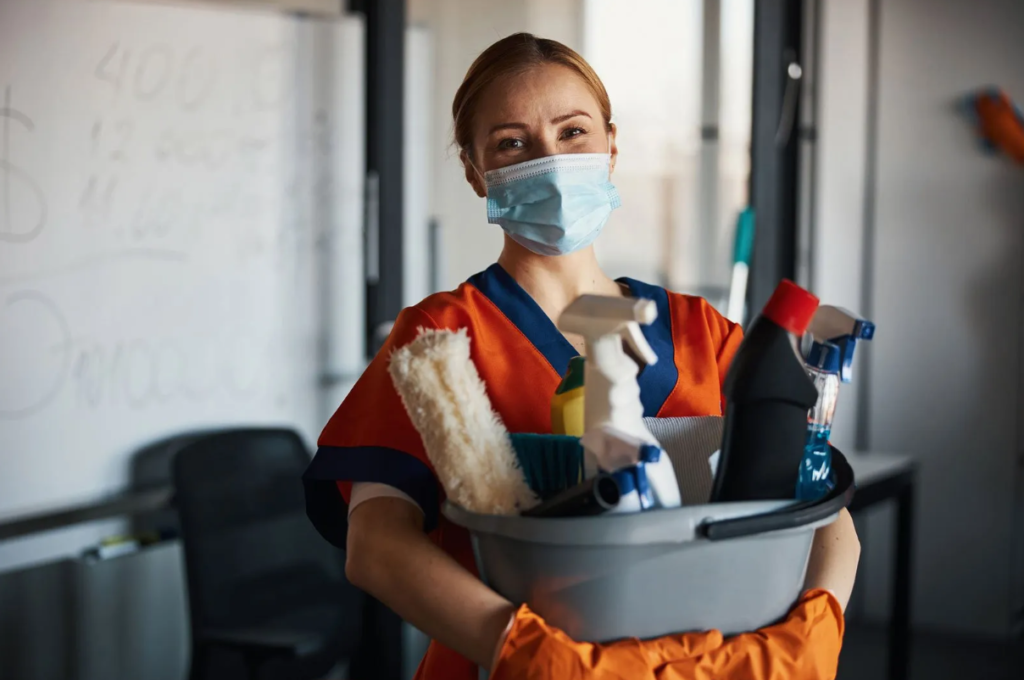
Maintaining a clean workplace is more than routine sweeping or wiping. Without proper planning and structure, even professional janitorial services can face challenges such as missed spots, wasted resources, or inconsistent results.
A clean office not only reflects professionalism but also affects employee health, productivity, and morale. Research shows that well-maintained workspaces reduce sick days and improve overall employee satisfaction. That’s why businesses should prioritize strategies that optimize janitorial services, ensuring every task is efficient, consistent, and effective.
In this guide, we’ll explore actionable strategies to make your workplace cleaning smarter and more productive, while keeping the environment safe and hygienic for everyone.
Strategy 1: Prioritize High-Impact Areas
Not all areas of a workplace carry the same risk for contamination or dirt accumulation. High-traffic zones such as entrances, restrooms, breakrooms, and shared equipment require more frequent attention than low-use spaces.
Professional janitorial services often perform an initial assessment of the facility to identify these high-impact areas. By focusing efforts on spaces where dirt and germs accumulate the most, teams can achieve maximum cleanliness with less effort.
Strategy 2: Implement Standardized Workflows
Consistency is a major challenge in cleaning. Without standard procedures, tasks can be missed or performed inconsistently. A standardized workflow ensures that every area is cleaned in the same way every time.
Steps to implement standardized workflows:
- Document step-by-step procedures for each zone.
- Assign responsibilities to individual team members.
- Use checklists to track completed tasks.
- Review procedures regularly to update best practices.
This system reduces errors, improves accountability, and makes training new staff easier. Professional janitorial services rely on standardized workflows to maintain quality across multiple shifts or locations.
Strategy 3: Use Time-Saving Tools and Equipment
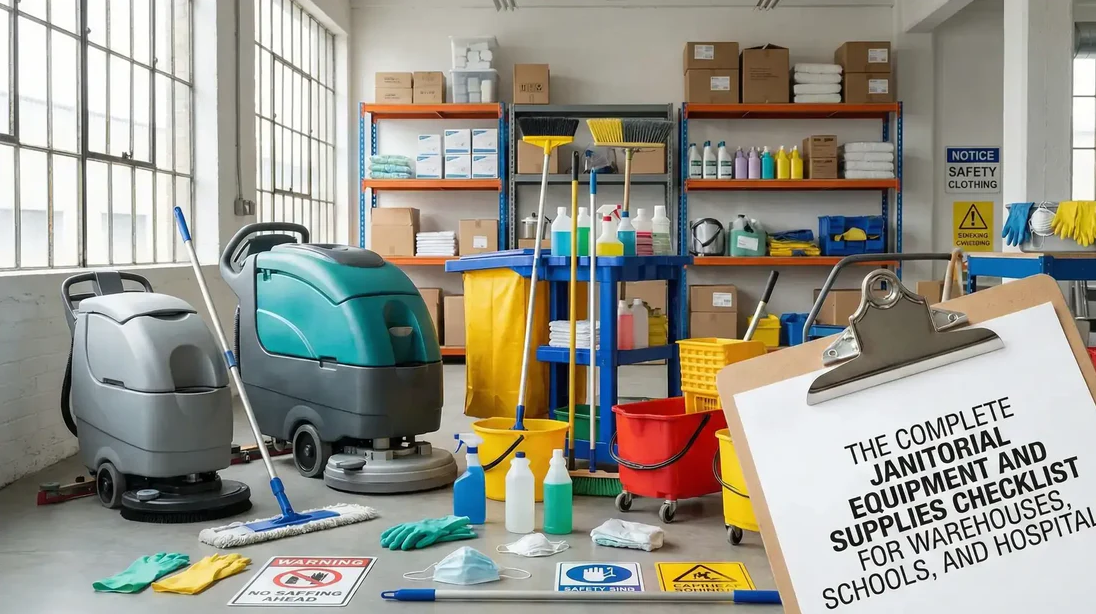
Modern cleaning technology can dramatically improve efficiency. Microfiber cloths, high-efficiency vacuum cleaners, automated floor scrubbers, and ergonomic cleaning tools allow staff to complete tasks faster without compromising quality.
Why tools matter:
- Reduce physical strain on cleaning staff.
- Increase speed while maintaining hygiene standards.
- Enable thorough cleaning of hard-to-reach areas.
By equipping teams with the right tools, businesses can optimize janitorial services, ensuring tasks are done thoroughly, efficiently, and safely.
Strategy 4: Schedule Cleaning Based on Facility Usage
Timing can make a significant difference in cleaning efficiency. Areas that are in constant use, such as meeting rooms, kitchens, and restrooms, need multiple touch-ups throughout the day.
Tips for scheduling:
- Clean high-traffic zones during peak hours to prevent accumulation.
- Schedule deep cleaning when offices are empty to avoid disruption.
- Coordinate with staff to avoid conflict with work hours or client visits.
Proper scheduling reduces downtime, improves hygiene, and ensures that employees and visitors always encounter a clean and professional environment.
Strategy 5: Regular Staff Training and Accountability
Even experienced cleaning staff benefit from ongoing training. Regular workshops or refreshers in proper cleaning techniques, safety protocols, and the latest industry standards ensure consistency.
Accountability methods:
- Digital checklists and logs for task completion.
- Performance tracking for team members.
- Feedback loops to address issues or improve workflows.
Professional janitorial services rely on these accountability measures to maintain high standards across every shift. Employees are more confident and effective when they know exactly what is expected.
Strategy 6: Incorporate Eco-Friendly Practices
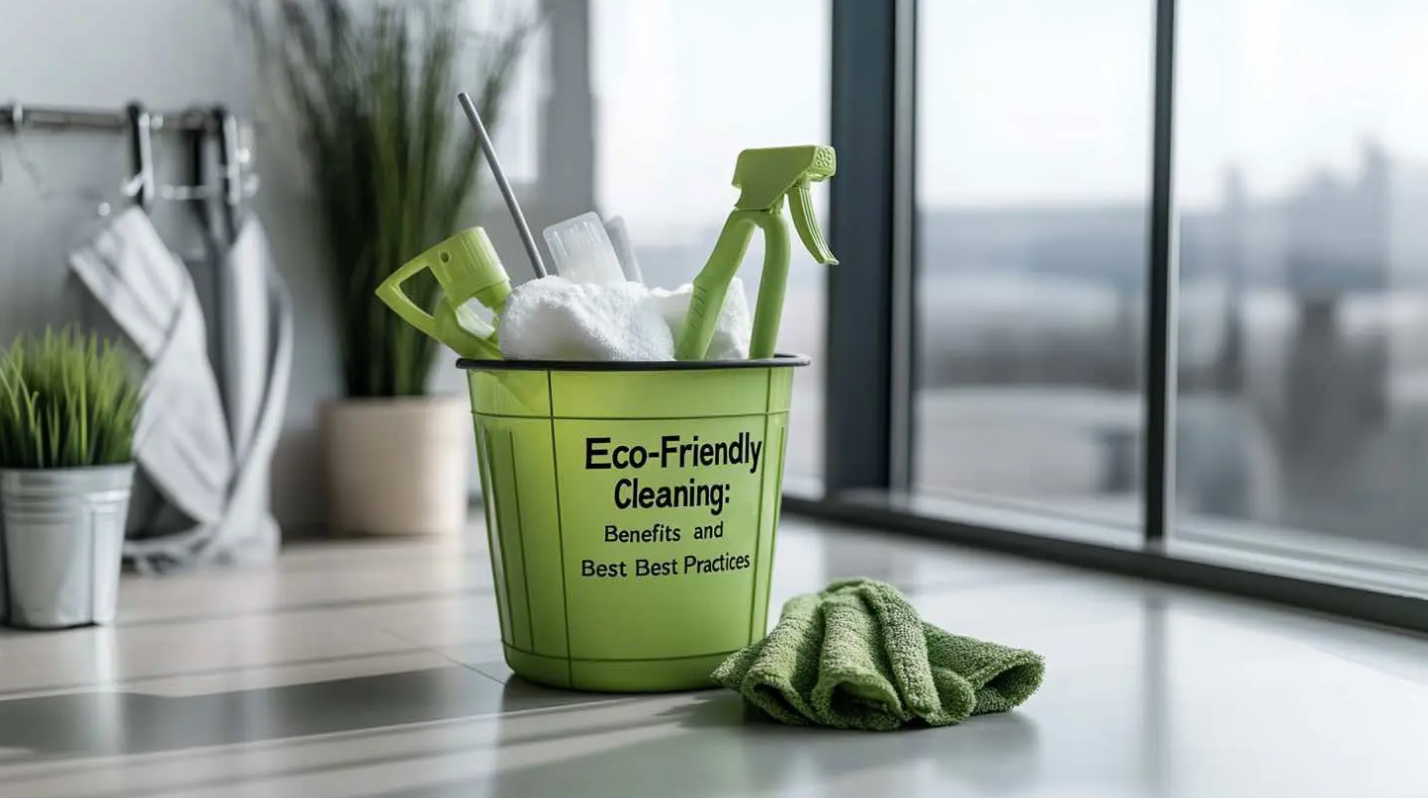
Green cleaning is not just about sustainability—it also improves efficiency and safety. Eco-friendly products are often safer for staff, reduce chemical residues on surfaces, and align with corporate responsibility goals.
Eco-friendly practices include:
- Using biodegradable cleaning solutions.
- Reducing water waste with efficient equipment.
- Implementing reusable cloths or pads to minimize disposable waste.
Integrating these practices allows janitorial services to deliver high-quality cleaning while supporting environmental initiatives, which is increasingly important for modern businesses.
Strategy 7: Leverage Technology for Monitoring and Reporting
Digital tools can make cleaning management more transparent and efficient. Solutions include:
- Task management apps that assign and track cleaning duties.
- Sensors for automated monitoring of restroom supplies or floor usage.
- Data analytics to optimize schedules and predict high-traffic times.
By using technology, janitorial services can ensure tasks are performed on time, identify bottlenecks, and continuously improve service quality.
Strategy 8: Maintain High Standards of Communication
Clear communication between cleaning staff, management, and employees is crucial. Teams should:
- Receive feedback on performance and areas needing improvement.
- Be updated on schedule changes or special cleaning requirements.
- Communicate supply needs promptly to prevent shortages.
This proactive approach allows janitorial services to respond quickly, maintain quality, and prevent issues before they escalate.
Strategy 9: Monitor and Adjust Regularly
No cleaning plan should be static. Workplace needs change, whether due to seasonal traffic, new office layouts, or evolving health standards. Regular reviews of procedures and results help janitorial services stay effective.
Methods for review:
- Weekly inspections of high-touch areas.
- Monthly performance assessments of cleaning staff.
- Quarterly updates to workflow or equipment based on data insights.
Continuous improvement ensures the office stays clean, healthy, and professional at all times.
Strategy 10: Partner with Professional Janitorial Services
While in-house cleaning teams can follow many of these strategies, partnering with professional janitorial services ensures access to experience, technology, and expertise that may not be available internally.
Benefits of professional services include:
- Expert knowledge of best cleaning practices.
- Trained staff with specialized equipment.
- Tailored cleaning plans to fit your unique workplace.
- Scalable solutions for growing businesses or multiple locations.
Take Action with Burgos Cleaning Services
If your office is struggling with inconsistent cleaning, inefficiency, or outdated methods, Burgos Cleaning Services provides professional janitorial services designed to maximize efficiency and ensure a cleaner, healthier workplace.
With a focus on modern tools, structured workflows, and accountability measures, Burgos ensures every area of your facility is cleaned to the highest standard.
👉 Contact Burgos Cleaning Services today to implement strategies that optimize janitorial services for your workplace.
Frequently Asked Questions (FAQs)
1. How can I optimize janitorial services in my office?
By prioritizing areas, standardizing workflows, scheduling efficiently, and using modern tools.
2. Are standardized workflows necessary?
Yes, they ensure consistent cleaning quality and reduce mistakes.
3. What tools help improve efficiency?
Microfiber cloths, automated floor cleaners, and ergonomic equipment improve speed and results.
4. Can small businesses benefit?
Yes, optimizing janitorial services improves hygiene and reduces costs regardless of business size.
5. How often should staff be trained?
Ongoing training ensures proper techniques, safety, and consistency.
6. What are high-impact cleaning areas?
Entrances, restrooms, breakrooms, shared equipment, and conference rooms.
7. Does eco-friendly cleaning help efficiency?
Yes, safer, lighter chemicals reduce hazards and streamline processes.
8. How does scheduling affect efficiency?
Cleaning at optimal times minimizes disruption and ensures high-traffic areas stay clean.
9. Can digital tools help track cleaning?
Yes, digital checklists and monitoring improve accountability and workflow management.
10. How do I get started?
Partner with Burgos Cleaning Services to implement strategies that optimize your janitorial services.