
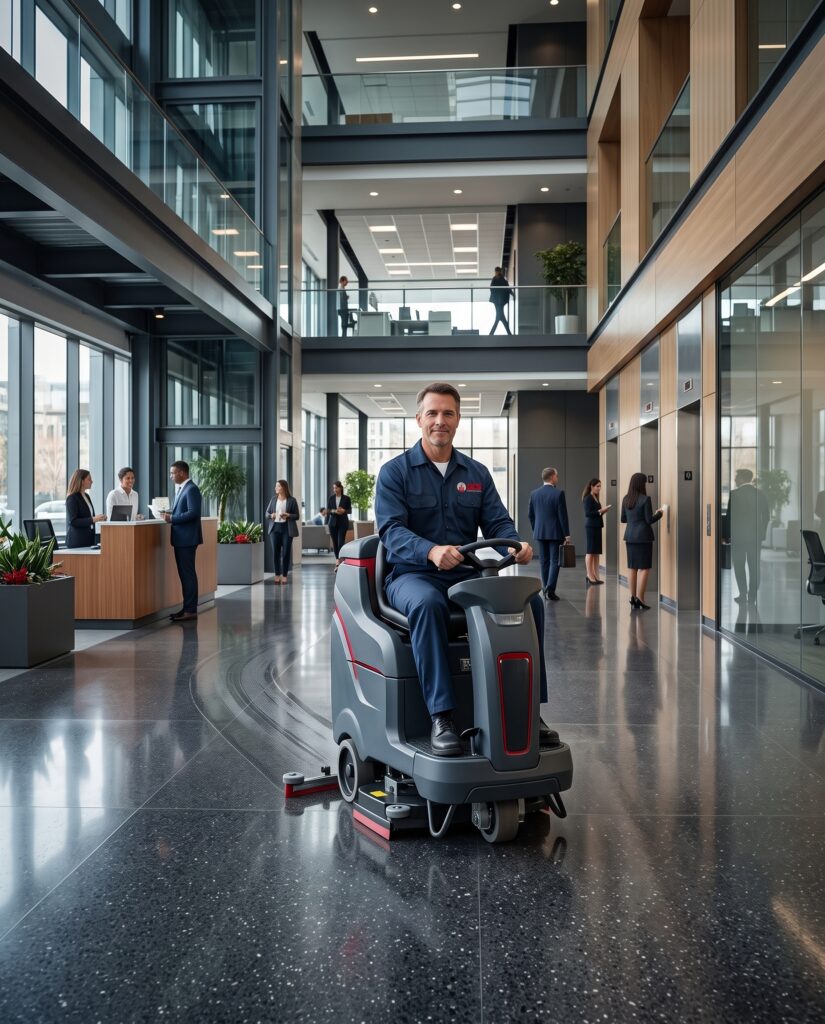
A workplace is never static. Employees arrive, meetings begin, deliveries come through the door, customers move between spaces, and shared areas change throughout the day. With so much activity taking place under one roof, maintaining a facility requires more than an occasional cleaning session.
For businesses in South Windsor, Connecticut, professional janitorial services in South Windsor can provide a structured way to manage the changing demands of a commercial property. The real value is not simply having a building that looks clean. It is having a cleaning strategy that works alongside the way the business operates.
Cleaning Should Follow the Activity of the Building
Not every part of a commercial property gets used in the same way.
A reception area may experience heavy traffic in the morning. Conference rooms may become busy during scheduled meetings. Breakrooms can see increased activity around lunch. Restrooms require attention throughout the day, while private offices may need less frequent service.
A thoughtful janitorial program takes these differences into account.
Instead of treating every room identically, cleaning priorities can be based on usage. High-traffic areas may receive more frequent attention, while lower-use spaces can follow an appropriate maintenance schedule.
This approach makes cleaning more purposeful and helps businesses direct attention where it is needed most.
The Hidden Work Behind a Well-Maintained Facility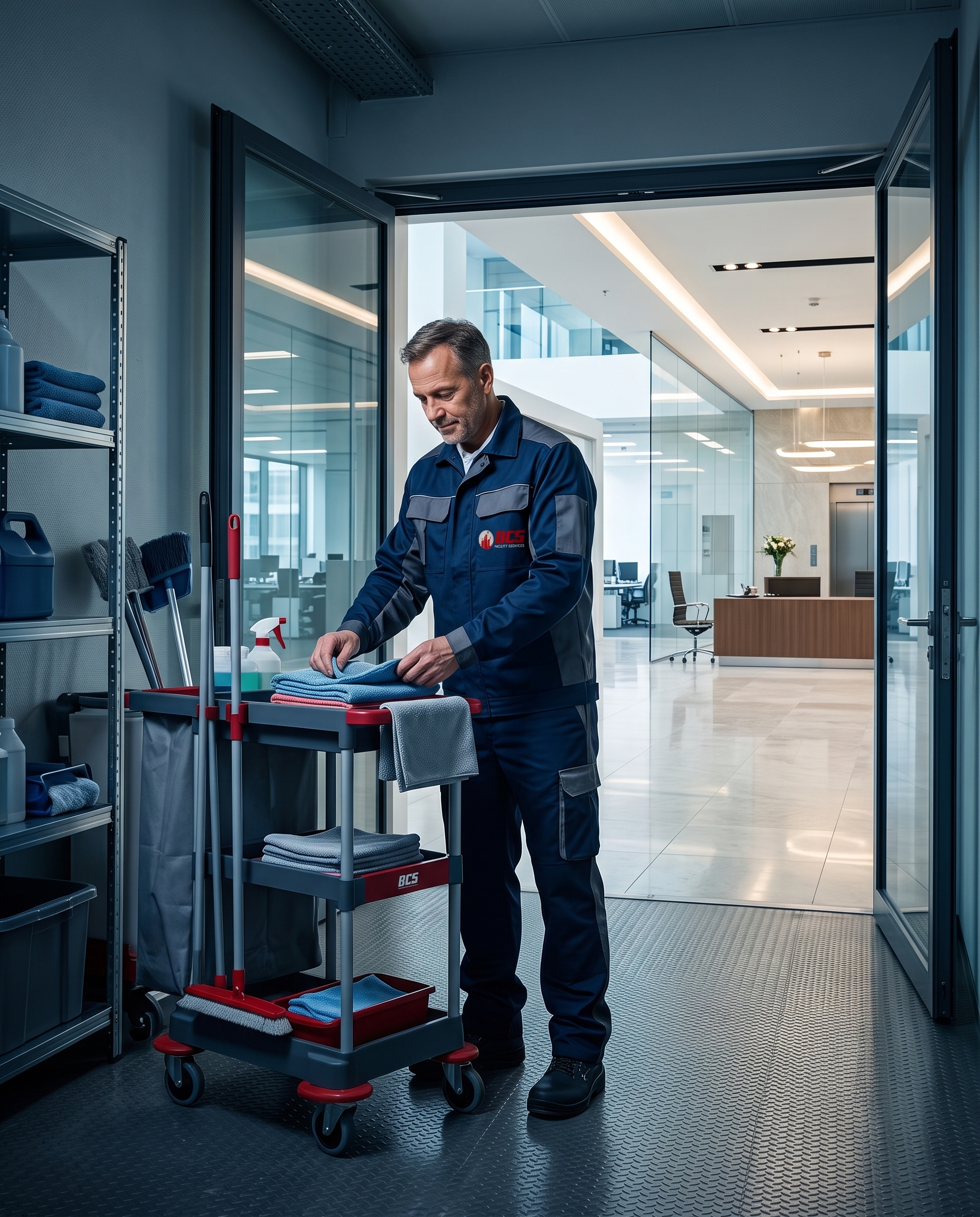
When a workplace is functioning properly, cleaning can become almost invisible.
Waste disappears before bins become overloaded. Floors are maintained before dirt becomes noticeable. Restrooms are serviced before supplies run out. Shared spaces are prepared for the next group of employees.
This consistency requires planning.
Professional janitorial services in South Windsor can establish recurring routines that cover daily responsibilities while incorporating periodic cleaning tasks. Instead of reacting to problems as they appear, businesses can create a system designed to prevent small maintenance issues from becoming distractions.
Different Workplaces Require Different Priorities
A professional office, retail location, industrial facility, educational property, and medical environment do not have identical cleaning requirements.
An office may need careful attention to work areas, conference rooms, kitchens, and reception spaces. A retail environment may place greater emphasis on floors, entrances, displays, and customer-accessible areas.
The cleaning strategy should reflect those differences.
Before creating a janitorial schedule, businesses can consider the size of the property, number of occupants, foot traffic, operating hours, and areas that require frequent attention. These factors help shape a service plan around the actual building instead of forcing the facility into a generic routine.
Managing the Busy Parts of the Day
Timing can be just as important as the cleaning itself.
Cleaning a busy hallway while employees are moving between meetings may be inconvenient. Servicing a conference room during an important client discussion may interrupt business. On the other hand, leaving heavily used areas unattended until the end of the day can allow dirt and waste to accumulate.
Flexible scheduling gives businesses more options.
Depending on the facility, janitorial work may be arranged before employees arrive, during quieter periods, after closing, or through a combination of scheduled service times. The objective is to integrate cleaning into the rhythm of the workplace.
Shared Spaces Need Their Own Strategy
Shared areas often experience more activity than individual workspaces.
Breakrooms, kitchens, conference rooms, entrances, and restrooms are used by multiple people and can quickly show signs of heavy use. Food particles, spills, fingerprints, waste, and general clutter can appear throughout the day.
These spaces can benefit from specific cleaning priorities rather than being treated as just another item on a checklist.
A janitorial team can focus attention on the areas that have the greatest impact on day-to-day facility conditions, helping shared spaces remain usable and presentable.
Supporting Facility Managers
Cleaning can take up more management time than businesses initially expect.
Someone has to determine which areas need attention, monitor supplies, coordinate schedules, communicate changing requirements, and ensure routine tasks are completed.
Professional janitorial support can simplify that process.
Rather than making facility managers responsible for coordinating every routine cleaning detail, a dedicated cleaning team can handle scheduled responsibilities according to an established service plan.