
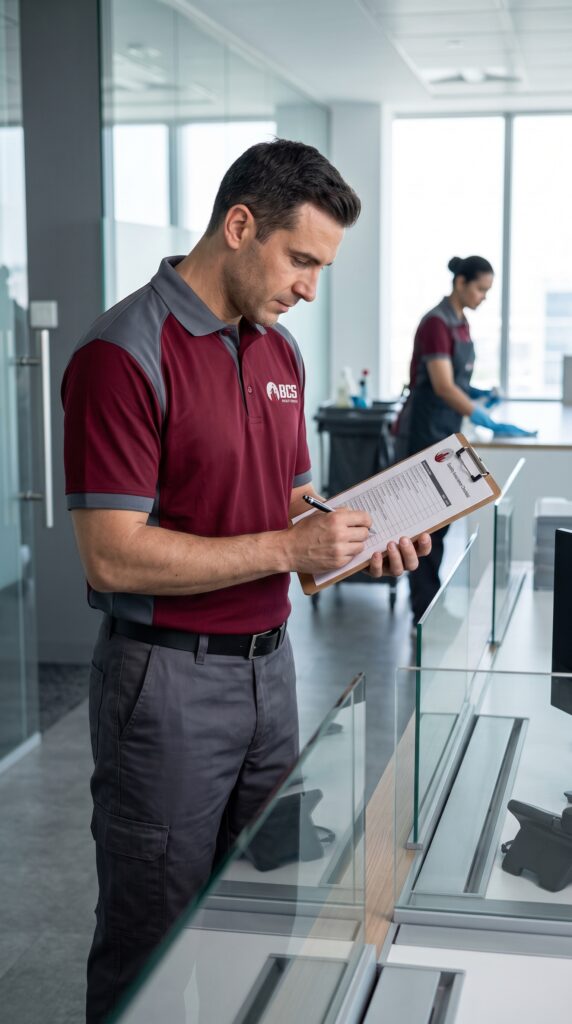
A commercial cleaning plan should do more than keep a building looking presentable. It should give a business a clear system for maintaining its facility, defining responsibilities, addressing problem areas, and responding to changing conditions.
For businesses in New Britain, creating that system can be easier when cleaning is treated as part of facility management rather than an isolated task. A well-organized plan provides a framework for keeping different areas of a property maintained while making it easier to identify what needs attention.
Whether a company operates an office, retail location, professional facility, or another type of commercial property, the goal is to create a cleaning strategy that makes sense for the building and the people who use it.
Begin With Clear Cleaning Standards
Before deciding what should be cleaned, businesses should determine what “clean” means for their particular facility.
A clean reception area may require dust-free surfaces, maintained flooring, clear glass, and organized furniture. A staff kitchen may require a greater emphasis on countertops, sinks, floors, and waste receptacles.
Defining these standards creates a reference point for the people responsible for maintaining the property.
Instead of relying on vague expectations, managers can identify specific conditions that should be maintained in important areas. This can make it easier to communicate requirements to a professional cleaning company and evaluate whether the facility is receiving the appropriate level of care.
Divide the Property Into Cleaning Zones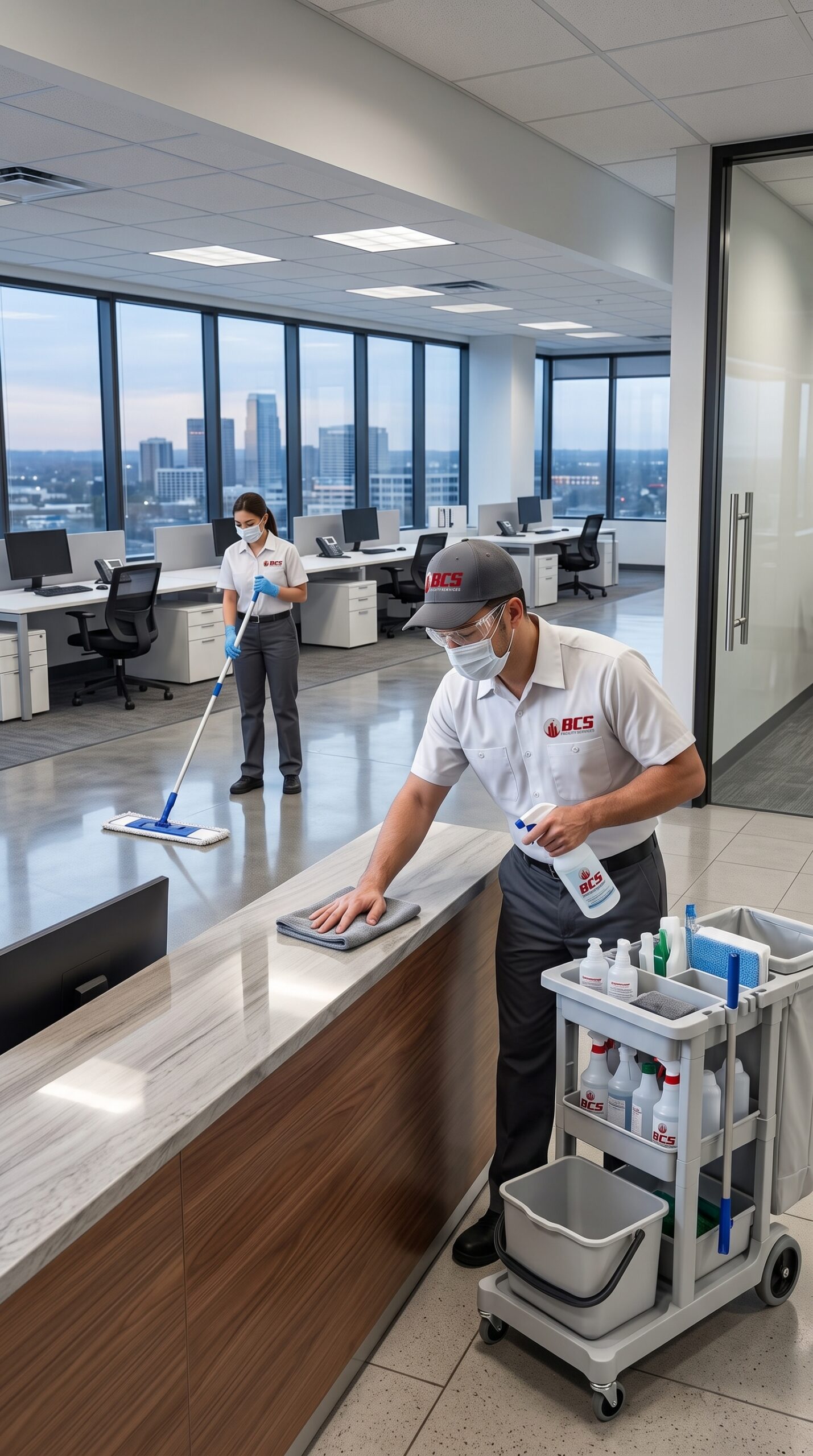
Large or complex facilities can be easier to manage when they are divided into logical cleaning zones.
Possible zones may include:
-
Public and reception areas
-
Private offices
-
Conference and meeting rooms
-
Restrooms
-
Employee kitchens and breakrooms
-
Hallways and stairways
-
Storage and utility areas
-
Specialized workspaces
Each zone can have its own maintenance requirements. This approach prevents less visible areas from being forgotten while helping businesses identify which parts of the building require specialized attention.
It also provides a more organized framework for discussing cleaning requirements with a janitorial provider.
Identify Recurring Problems
Every commercial property has areas that seem to develop cleaning problems more often than others.
Perhaps a particular carpet frequently develops stains, a breakroom accumulates debris around appliances, or a restroom requires additional attention because of heavy use.
Instead of repeatedly reacting to these problems, businesses can document them and incorporate appropriate solutions into their cleaning plan.
This shifts the approach from simply responding to visible issues toward identifying patterns and addressing the underlying maintenance requirement.
Burgos Cleaning can work with businesses to understand these facility-specific concerns and incorporate appropriate services into a professional cleaning program.
Keep Supplies Under Control
Cleaning supplies are another part of effective facility management.
Running out of essential restroom supplies or other frequently used items can create avoidable problems. At the same time, keeping excessive quantities of products on-site can take up valuable storage space.
Businesses should establish a straightforward system for monitoring supplies and determining who is responsible for checking inventory.
A professional cleaning provider may also be able to incorporate certain supply-related responsibilities into the overall service arrangement, depending on the business’s requirements.
Think About Areas That Are Easy to Overlook
A facility can appear clean while certain less noticeable areas receive little attention.
Examples can include:
-
Behind furniture
-
Baseboards
-
Door frames
-
Light fixtures
-
Corners and edges
-
Under desks
-
Interior glass
-
High or difficult-to-reach surfaces
These areas may not require the same attention as high-use surfaces, but periodic maintenance can help prevent accumulated dust and buildup.
Including overlooked areas in a long-term cleaning plan can produce a more consistent standard throughout the property.
Match Equipment to the Facility
Commercial properties often require more than basic household cleaning equipment.
Depending on the building, professional cleaning may involve commercial vacuums, floor-care equipment, specialized tools, microfiber systems, or other equipment suited to particular surfaces.
Using appropriate equipment can make cleaning tasks more effective and help protect flooring and other materials from unnecessary wear.
Businesses should discuss the types of surfaces present in their facilities with their cleaning provider so the appropriate methods and equipment can be considered.
Establish a Way to Report Cleaning Issues
Even with a detailed cleaning plan, unexpected issues will occur.
A drink may spill on a carpet. A restroom fixture may require attention. A common area may become unusually dirty after an event.
Having a simple process for reporting these issues helps prevent them from being overlooked.
Businesses can designate a manager or facility contact who communicates with the cleaning company. This creates a clear line of communication and makes it easier to distinguish routine cleaning from requests requiring additional attention.
Use Quality Checks to Maintain Consistency
A cleaning plan should be reviewed periodically rather than assumed to be working indefinitely.
Managers can inspect key areas and look for recurring issues. If the same problem appears repeatedly, the cleaning program may need to be modified.
Quality checks can also help identify changing needs as the business grows or the facility changes.
For a professional cleaning provider such as Burgos Cleaning, feedback from the client can help ensure that the service continues to reflect the property’s requirements.
Build Cleaning Around the Business Without Making It Complicated
A useful cleaning plan should be detailed enough to provide direction but simple enough to manage.
Businesses do not necessarily need dozens of complicated procedures. They need to know which areas matter, what standards should be maintained, which tasks require regular attention, and who is responsible for addressing problems.
This balance can make facility maintenance easier to manage while reducing confusion about cleaning expectations.
When Professional Support Makes Sense
Handling occasional cleaning tasks internally may be practical for some businesses. However, maintaining an entire commercial property can require considerable time, equipment, supplies, and organization.
Professional janitorial services can take many of these responsibilities off the hands of business employees.
For New Britain companies considering janitorial services in New Britain, working with a professional provider can provide access to structured cleaning support without requiring the business to manage every aspect of facility maintenance itself.
Burgos Cleaning provides commercial cleaning services designed for business environments and can help companies develop an approach suited to their properties.
Review the Plan as the Business Changes
A cleaning strategy should not be considered a permanent document.
A company may renovate its facility, add workspaces, change its layout, expand its staff, or begin using areas differently. These changes can affect the cleaning requirements of the property.
Regularly reviewing the plan gives businesses an opportunity to make adjustments before outdated procedures become inefficient.
A flexible strategy can remain useful even as the company and its facility evolve.
A Cleaning Plan Should Create Consistency
For New Britain businesses, a strong commercial cleaning strategy is ultimately about creating a repeatable system.
Clear standards, defined facility zones, documented problem areas, appropriate equipment, supply management, communication procedures, and periodic quality checks can all contribute to a more organized approach to maintaining a commercial property.
Burgos Cleaning can provide professional support for businesses that want to move beyond occasional cleaning and establish a more structured approach to facility care.
When cleaning becomes part of an organized maintenance system, businesses have a clearer way to protect the condition of their facilities and keep everyday cleaning responsibilities from becoming an ongoing management burden.