
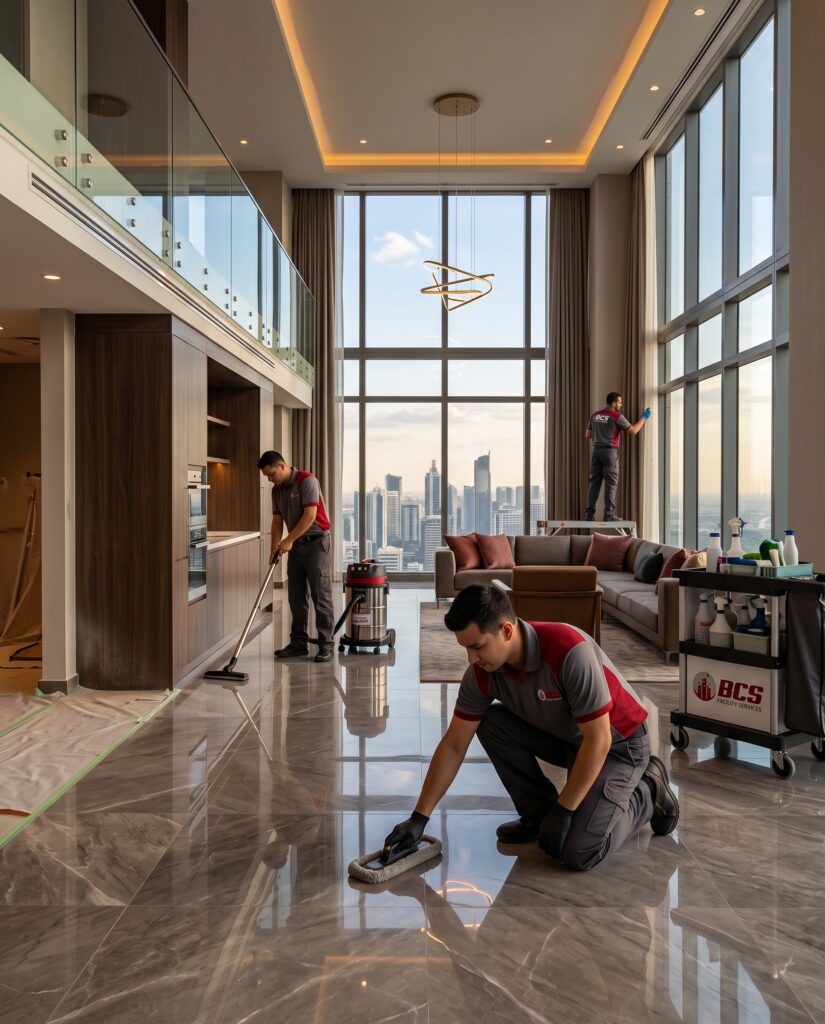
A newly renovated or constructed property can look almost finished when the contractors leave, yet another stage remains before the space is ready for everyday activity. Fine dust can settle on surfaces, installation work can leave marks, and small remnants of construction may be scattered throughout the property.
This is where post-construction cleaning in Vernon becomes part of the project rather than an afterthought. The service is designed around the transition from an active worksite to a property that can be furnished, occupied, presented, or turned over.
But what does that transition actually involve?
The Property Is Finished—But Is It Ready?
Construction completion and cleaning completion are two different milestones. Contractors concentrate on building, installing, repairing, and finishing the property. Cleaning addresses what those activities leave behind.
A professional construction-cleaning service may begin by assessing the property’s condition and determining which areas require attention. The scope can differ substantially between a new commercial building, a renovated home, an office remodel, or a smaller improvement project.
That assessment helps establish what needs to happen before the property moves into its next phase.
Phase One: Resetting the Space
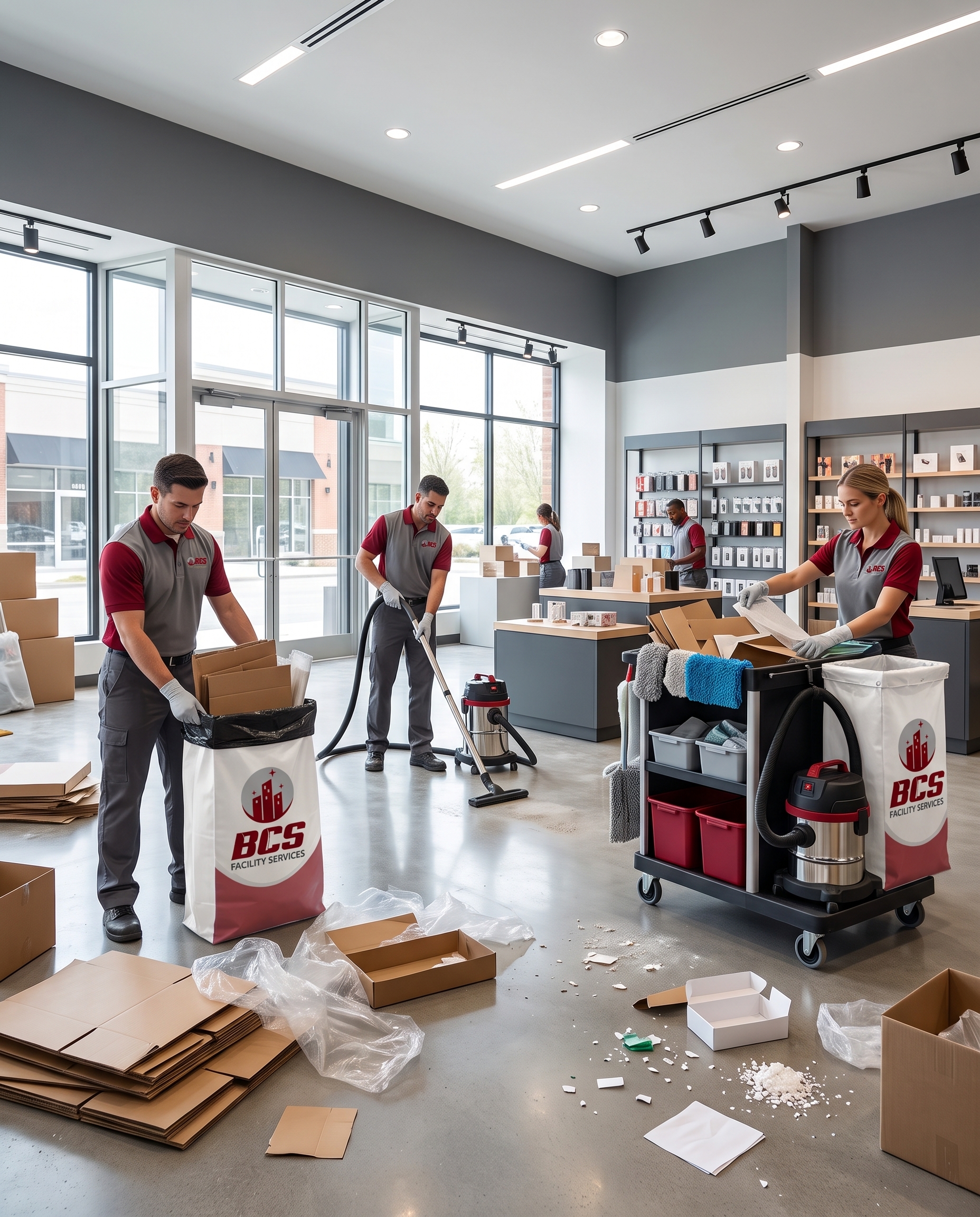
The first objective is to take the property out of its worksite condition.
Loose construction debris, packaging, dust, and other removable material can interfere with detailed cleaning. Clearing these items creates room to address the actual surfaces underneath and around them.
Some construction waste may require separate handling, particularly heavy materials or substances that are subject to specialized disposal requirements. A cleaning provider should clarify these boundaries before work begins.
Phase Two: Addressing the Fine Details
The second stage focuses on the residue that is less obvious from across the room.
Fine particles can settle on ledges, trim, doors, cabinets, fixtures, window components, and other accessible surfaces. Construction activity can also produce fingerprints and marks in areas that receive frequent handling during installation.
Rather than treating every material the same way, cleaning methods should be selected according to the surface. This matters in newly completed spaces where finishes may be unfamiliar or particularly sensitive to improper products or techniques.
Phase Three: Bringing Finished Features Forward
New flooring, cabinetry, glass, counters, doors, and fixtures are part of the property’s finished appearance. Construction residue can distract from those features even when the installation itself is complete.
Depending on the agreed scope, cleaning may include appropriate care for floors, interior glass, cabinets, countertops, doors, trim, fixtures, and other finished elements.
The purpose is not to alter the finish. It is to remove removable construction-related residue so the completed work can be presented more clearly.
Phase Four: Preparing High-Use Areas
Certain areas deserve particular attention because they combine multiple surfaces and fixtures in a relatively compact space.
Kitchens may require cleaning around counters, cabinets, sinks, appliances, and hardware. Bathrooms can involve fixtures, mirrors, floors, counters, and other newly completed surfaces. Entrances and circulation areas may require additional floor and surface attention because they often experience considerable activity during construction.
The exact tasks should reflect the property’s design and the agreed service scope.
The Final Walkthrough
A final walkthrough gives the cleaning process a different perspective. Instead of concentrating on individual tasks, the cleaner can evaluate the property as a completed space.
This review can identify overlooked dust along edges, marks on doors, residue around fixtures, particles in corners, or other details that become apparent only after the primary cleaning has been completed.
For property owners and project managers, this stage can also provide an opportunity to confirm that the agreed cleaning scope has been addressed before the space is handed over.
Tasks That May Need Separate Arrangements
Post-construction cleaning does not automatically mean every construction-related problem is included.
Heavy debris hauling, hazardous-material cleanup, exterior work at significant heights, permanent damage, and specialized restoration may require different services or equipment. Asking for a detailed scope before scheduling helps prevent confusion about what the cleaning crew will handle.
When Should the Cleaning Take Place?
Timing can affect the amount of work required. If sanding, painting, installation, or other dusty activities continue after cleaning, additional residue can appear.
For many projects, the detailed cleanup is scheduled after major construction activity has substantially ended. Larger properties may use multiple cleaning stages, with an earlier cleanup followed by final detailing closer to occupancy.
Moving From Construction to Occupancy
A completed building is not necessarily a presentation-ready building. Cleaning provides the bridge between those two conditions.
For homeowners, contractors, property managers, and businesses, post-construction cleaning in Vernon can address the dust, residue, surface details, and finishing tasks that remain after construction work has wrapped up. With the scope and timing established in advance, the final cleaning becomes a practical part of moving the property from project site to usable space.