
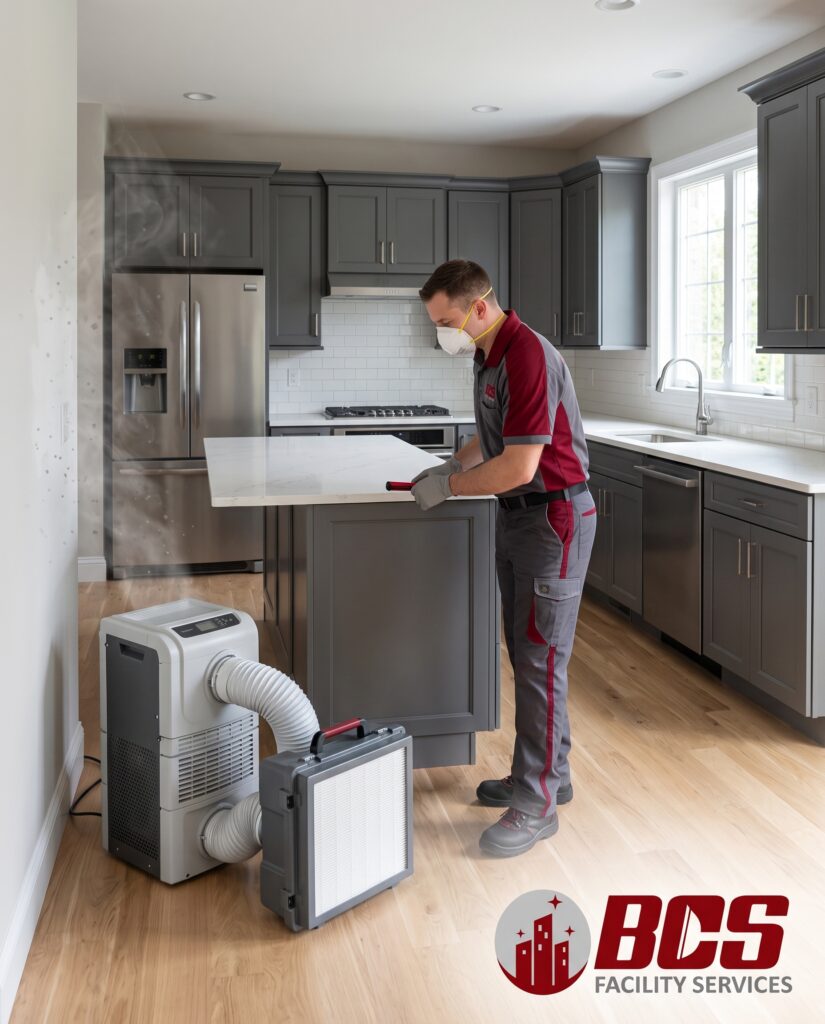
A newly renovated home can look completely finished while still carrying the unmistakable scent of fresh paint, adhesives, sealants, wood finishes, or newly installed materials. For New Britain homeowners, Odor Removal can be an important final step before settling back into the house.
Renovation odors do not always disappear as soon as the contractors leave. Some can remain trapped in rooms, fabrics, cabinetry, and other surfaces. Fortunately, a thoughtful cleanup and ventilation routine can help create a more comfortable living environment.
Start by Identifying the Source
Not every renovation smell comes from the same material. Paint and coatings may produce one type of odor, while flooring adhesive, caulk, cabinetry finishes, or newly manufactured flooring can create another.
Walk through the renovated areas and consider where the smell is strongest. A noticeable odor near newly installed flooring may have a different source from a smell concentrated around painted walls or cabinets.
Finding the likely source is useful because simply adding fragrance to the room does not remove whatever is causing the original odor.
Give Stale Air a Way Out
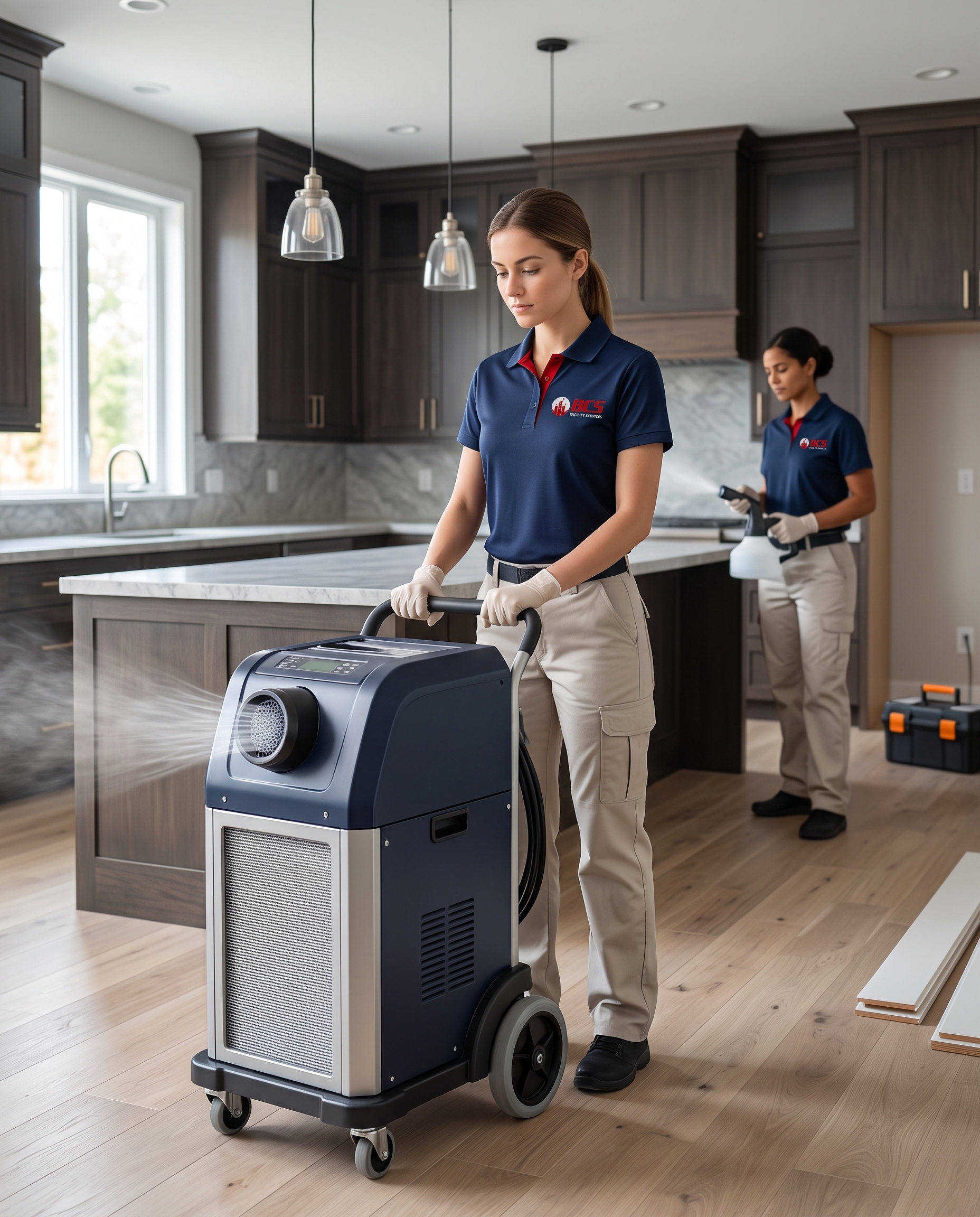
Fresh-air circulation can make a noticeable difference after renovation work. When outdoor conditions and the home’s design allow it, opening windows and doors can encourage air exchange.
Interior doors can also be opened to improve circulation between rooms. The home’s HVAC system may help move air as well, provided it is operated according to the system’s normal instructions.
Avoid relying on ventilation alone, though. Airflow can disperse odors, but it does not remove dust, residue, or material left behind on surfaces.
Check the Places That Absorb Odors
Some areas of a home can hold onto renovation smells longer than others.
Carpet, rugs, upholstered furniture, curtains, and other porous materials may collect airborne particles during sanding, painting, flooring installation, or other work. Even after the visible construction mess has disappeared, these materials can continue contributing to the overall smell of the room.
Vacuuming affected fabrics and using material-appropriate cleaning methods can help remove accumulated particles. Newly cleaned surfaces can also make it easier to determine whether the remaining odor is coming from a material that is still curing.
Don’t Ignore Cabinets and Closed Spaces
A renovated kitchen, bathroom, bedroom, or storage area can contain numerous enclosed spaces. Cabinets, drawers, closets, and built-in storage may have limited airflow compared with the main living areas.
If these spaces were exposed to renovation activity, give them time to air out. Remove any remaining packaging or construction materials and clean appropriate interior surfaces according to their finishes.
Leaving doors and drawers open temporarily, when practical, can also encourage air movement through areas that otherwise remain enclosed.
Remove the Residue Behind the Smell
Fine construction dust can settle almost anywhere. It may collect on trim, window frames, floors, fixtures, cabinet surfaces, and other areas that are not immediately noticeable.
A detailed cleaning can remove this residue instead of simply covering its smell.
For homeowners arranging post-construction cleaning in New Britain, professional service can be particularly useful after larger remodeling projects where dust, residue, and installation debris have reached multiple parts of the home.
The cleaning approach should account for newly installed materials. Aggressive products or excessive moisture may damage certain finishes, so cleaning methods should be matched to the surface.
Skip the Fragrance Overload
When a house smells strongly of renovation materials, it can be tempting to use air fresheners, scented candles, or other products to change the atmosphere quickly.
That approach may provide a temporary change in scent without addressing the underlying source. Combining several strong fragrances can also create an unpleasant mixture of smells.
A source-focused approach is more practical: remove residue, clean affected surfaces, improve appropriate ventilation, and allow materials to finish curing according to the manufacturer’s recommendations.
Know When an Odor Deserves More Attention
Many renovation-related smells gradually diminish with time, ventilation, and appropriate cleaning. A persistent or unusually strong odor, however, should not automatically be treated as a normal part of remodeling.
If an odor remains despite reasonable cleaning and ventilation, homeowners can contact the contractor or the manufacturer of the material involved. Product documentation may provide information about curing times, ventilation requirements, or other precautions.
Cleaning should improve the condition of the home, not conceal a potential material or building issue.
Make Odor Control Part of the Final Cleanup
The final stage of a renovation is about more than removing visible debris. It is about transitioning the home from an active work area into a comfortable living space.
New Britain homeowners can approach lingering odors by tracing their likely sources, increasing suitable airflow, cleaning porous and hard surfaces appropriately, and removing construction residue. When a project has generated extensive dust or debris, professional cleaning can provide an additional level of detail.
A renovated home should feel finished in more than appearance. Once the construction smells fade and the remaining residue is gone, the space can finally feel like a home again.