
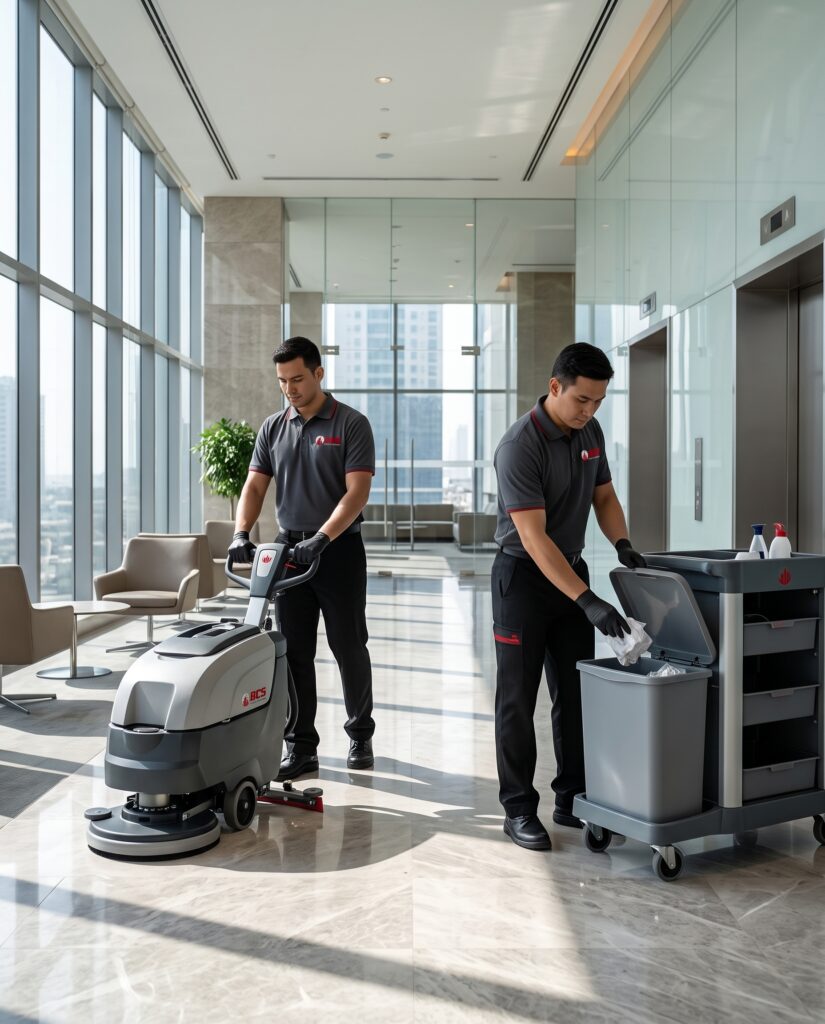
A busy workplace rarely gets dirty in a uniform way.
An entrance may collect outdoor debris within hours. A conference room might remain nearly untouched all afternoon. A staff kitchen can go from spotless to heavily used after a single lunch period. Meanwhile, offices, hallways, restrooms, and shared equipment each experience their own patterns of use.
That is why maintaining a demanding commercial facility requires more than following the same checklist from one room to another.
For businesses seeking Enfield janitorial services, a more practical approach is to consider how different parts of a building are used and what type of attention each area actually requires.
Every Workplace Has Its Own Cleaning Map
A commercial property can almost be viewed as a map of activity.
Some areas experience constant movement, while others are used only occasionally. Some surfaces are frequently touched, while others mainly collect dust. Certain rooms require attention because of sanitation concerns, whereas other spaces primarily need routine appearance maintenance.
Creating a cleaning plan around these differences can make service more purposeful.
For example, an office reception area may benefit from frequent floor and surface attention because it is the first point of contact for visitors. Restrooms may require scheduled checks throughout the day. A storage room, by contrast, may only require routine cleaning during a scheduled service visit.
The result is a cleaning program based on actual workplace conditions rather than an identical routine for every room.
High-Use Spaces Deserve a Different Rhythm
Foot traffic is one of the biggest variables in commercial cleaning.
Entrances, corridors, elevators, breakrooms, and shared facilities can experience hundreds of interactions over the course of a working day. Dirt and debris brought in from outside can spread from entryways into other parts of the building, while frequently touched surfaces can require more regular attention.
A practical janitorial plan can therefore assign different frequencies to different areas.
Instead of assuming every room needs identical service, cleaning teams can concentrate more frequent attention where employees, customers, and visitors spend the most time.
This approach can be especially useful for larger Enfield facilities where cleaning every area with the same intensity may not be the most efficient use of time.
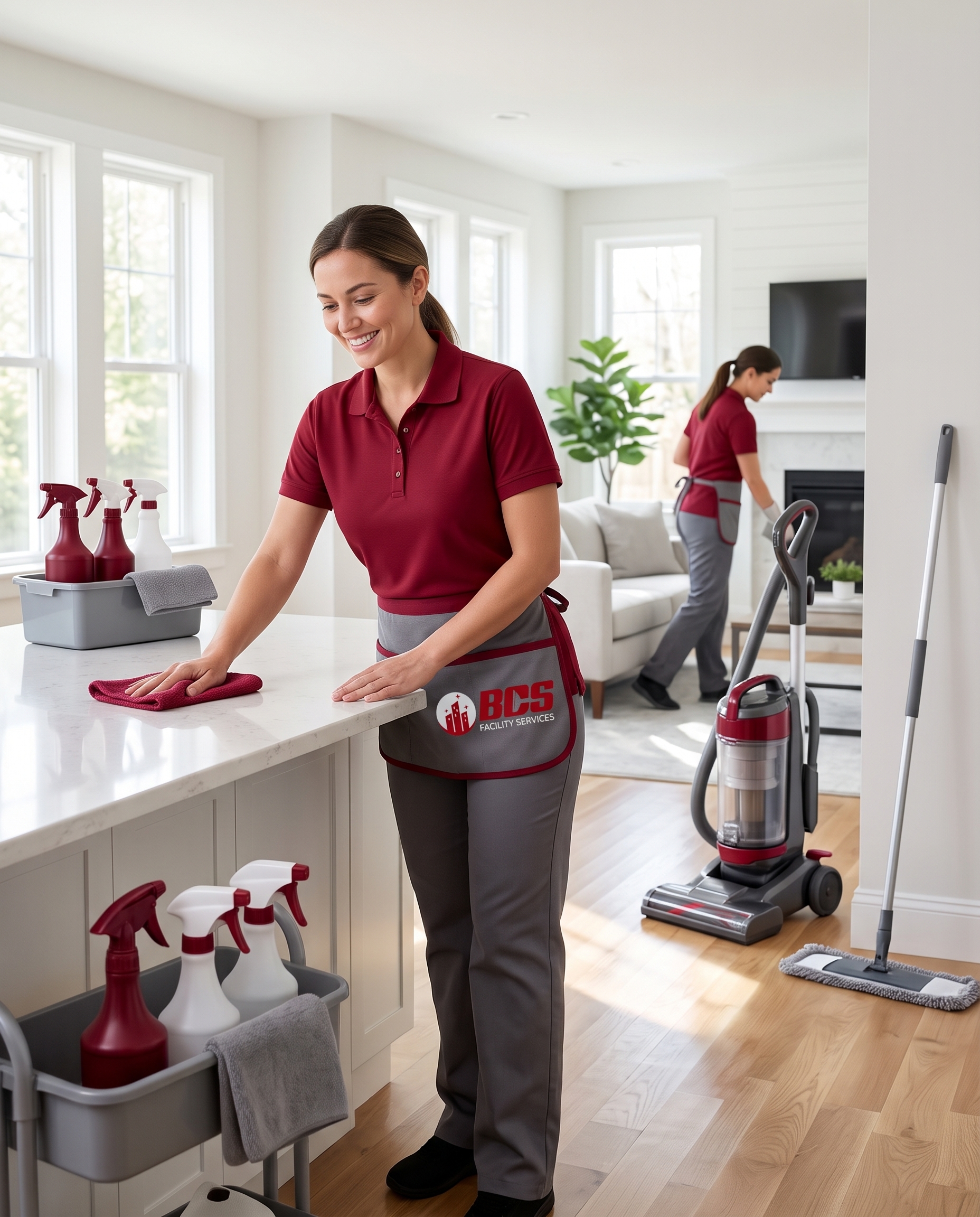
Quiet Areas Still Need a Maintenance Plan
Low-traffic does not mean no-maintenance.
Private offices, storage spaces, secondary conference rooms, and other less frequently used areas can gradually accumulate dust and debris even when they receive little daily activity.
Because these spaces do not always show immediate signs of heavy use, they can easily become secondary priorities.
A complete janitorial plan should account for them through scheduled dusting, vacuuming, floor care, surface cleaning, and periodic deeper attention. This helps prevent low-use areas from becoming overlooked simply because they are not part of the daily traffic pattern.
Cleaning Should Work Around the Business
Timing can be just as important as the cleaning itself.
A cleaning task performed at the wrong time can create unnecessary interruptions. Vacuuming during an important meeting, servicing a busy reception area while visitors are arriving, or cleaning a breakroom during lunch can interfere with normal operations.
Businesses can reduce these problems by coordinating cleaning periods with their operating schedules.
Some tasks may be better suited to early mornings. Others can take place after employees leave. High-use areas may benefit from short daytime touch-ups rather than waiting for a single large cleaning session.
Burgos Cleaning states that its janitorial and office cleaning programs can be arranged around business schedules, including daily, weekly, monthly, overnight, and after-hours service options.
This type of flexibility allows cleaning to become part of the workplace schedule rather than an obstacle within it.
Different Surfaces Need Different Attention
Another practical consideration is that a commercial building is rarely made up of one type of surface.
Carpet, tile, vinyl, hardwood, glass, stainless steel, painted walls, and other materials can respond differently to cleaning products and techniques.
Using the same method everywhere may not produce the desired result.
Flooring is a particularly good example. Regular vacuuming may be appropriate for carpeted areas, while hard floors can require sweeping, mopping, polishing, or periodic restorative care. Burgos Cleaning lists services including carpet cleaning, floor maintenance, floor stripping and waxing, and tile and grout cleaning among its commercial cleaning capabilities.
A facility-specific approach helps cleaning teams account for the materials they are actually maintaining.
The Workplace Can Change From Season to Season
Enfield businesses also deal with changing conditions throughout the year.
Winter can introduce moisture, salt, and road debris into entrances and walkways. Warmer months may bring increased foot traffic and different ventilation or facility-use patterns. Special events, renovations, office moves, and changes in staffing can also temporarily alter cleaning requirements.
A rigid plan may not respond well to these changes.
A more adaptable janitorial arrangement can allow businesses to increase attention to particular areas when circumstances call for it and return to routine service when activity normalizes.
Specialized Workplaces Require Specialized Priorities
A cleaning plan for a professional office may not be appropriate for a medical facility, school, retail store, or other specialized environment.
Different workplaces have different priorities, traffic patterns, surfaces, and sanitation requirements.
Burgos Cleaning’s Enfield commercial services cover multiple facility types, including offices, schools, medical facilities, and retail businesses, with cleaning plans designed around different operational requirements.
That distinction matters because effective janitorial work is not simply about completing more tasks. It is about applying the appropriate cleaning practices to the environment being maintained.
A Practical Approach Reduces Cleaning Blind Spots
One of the easiest ways for a facility to develop cleaning problems is for certain areas to fall between the cracks.
A conference room may be cleaned regularly but not after an unusually busy event. A restroom may receive morning service but require additional attention during peak occupancy. An entrance may look clean at the start of the day but need attention after heavy foot traffic.
Thinking in terms of facility zones helps identify these gaps.
Instead of asking only, “Was the building cleaned today?” facility managers can consider more useful questions:
- Which areas received the most traffic?
- Which spaces require more frequent attention?
- Are cleaning times interfering with operations?
- Which surfaces require specialized care?
- Have seasonal or temporary changes affected the facility?
These questions can help turn janitorial service into a more responsive part of facility management.
Building a Cleaning Plan Around Real Workplace Demands
For a busy Enfield business, there is no single formula that works for every building.
A successful cleaning program starts with the workplace itself: how people move through it, which spaces experience the most activity, what materials need maintenance, and when cleaning can occur without disrupting operations.
That is the practical value of professional janitorial support.
Rather than treating the entire facility as one large cleaning assignment, businesses can use a structured approach that recognizes the differences between spaces. High-traffic zones can receive appropriate attention, quieter areas can remain on a dependable maintenance schedule, and specialized spaces can receive service suited to their requirements.
For demanding workplaces, that kind of planning can make commercial cleaning more predictable, organized, and compatible with everyday business activity.
In Enfield, the most useful janitorial solution is not necessarily the one that simply does more. It is the one that understands where cleaning matters most, when it needs to happen, and how it can fit naturally into the way the workplace operates.