
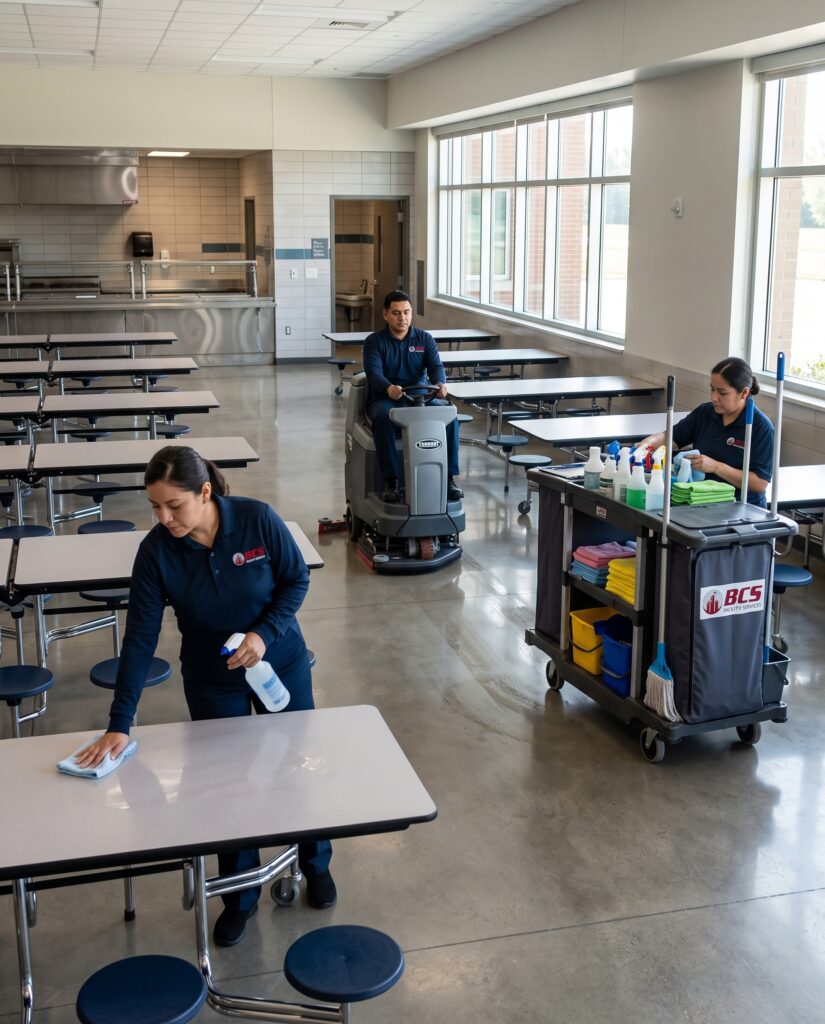
Custodial performance can be easier to evaluate when Wethersfield schools look beyond a single cleaning inspection. Conditions can change as student traffic, schedules, seasons, and facility use shift throughout the academic year. Tracking these changes over time can provide a clearer picture of whether daily cleaning routines are meeting established expectations.
Rather than relying on occasional impressions, administrators can create a simple system for recording service conditions and comparing results from one period to another.
Establish the Starting Point
Before measuring progress, schools need a baseline. A facility team can inspect classrooms, hallways, restrooms, cafeterias, offices, and shared spaces.
The inspection can document floor condition, dust levels, waste removal, restroom supplies, surface cleanliness, and reported issues.
This first record gives administrators something to compare against later. Without a starting point, changes in cleaning quality can be difficult to identify.
Track the Same Areas
Consistency in inspections matters. If a school checks different areas every time, the information may not provide a reliable picture of custodial performance.
A better approach is to select recurring checkpoints. For example, administrators might inspect several classrooms, one cafeteria, selected restrooms, and major hallway areas each week.
Using the same checkpoints makes changes easier to identify. It can also reveal whether certain spaces repeatedly require additional attention.
Record Recurring Problems
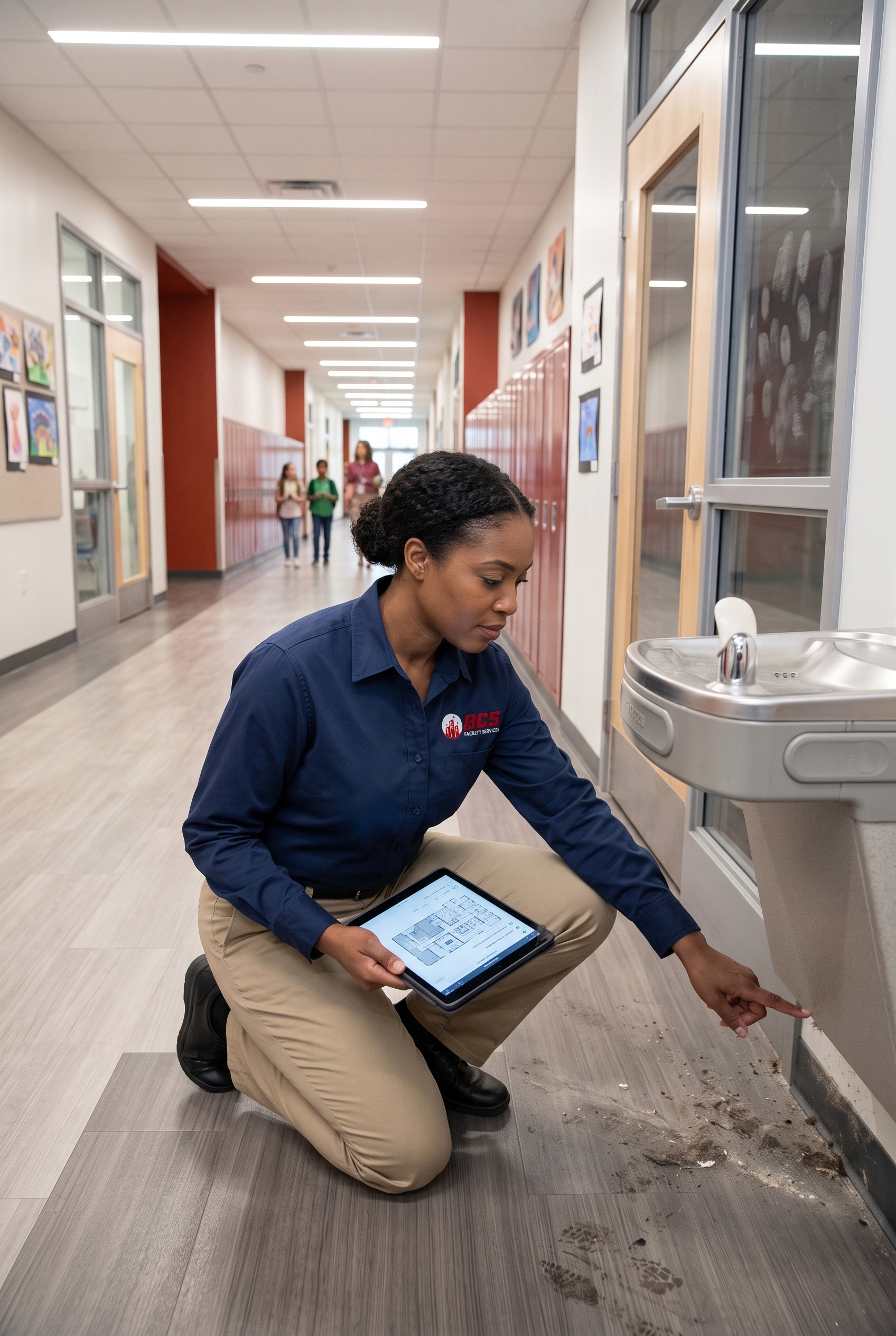
A single cleaning issue does not necessarily indicate a broader problem. Repeated issues can provide more useful information.
Schools can record the date, location, issue, and resolution for each concern. After several weeks, administrators can review the records for patterns.
If the same restroom repeatedly requires attention, the information may point to a scheduling or usage issue. If hallway conditions change quickly after service, traffic levels may be affecting cleaning results.
This approach gives facility teams practical information instead of relying on memory.
Include Response Time
Cleaning performance also involves how teams respond to unexpected situations.
Spills, overflowing containers, restroom supply shortages, and other issues can arise during the school day. Recording when an issue is reported and when it is resolved can provide another useful measure.
Response records can be reviewed alongside regular inspection results. Together, they provide a broader view of how the cleaning operation functions during normal and unexpected conditions.
For schools seeking school cleaning in Wethersfield, this type of information can make conversations with a cleaning provider more specific.
Compare Results Over Several Months
Monthly comparisons can provide more useful information than a single inspection. Schools can review whether cleaning results are improving, remaining consistent, or showing recurring weaknesses.
Seasonal changes should also be considered. Winter weather, school events, increased indoor activity, and changes in student traffic can affect facility conditions.
A long-term record helps administrators distinguish temporary conditions from recurring patterns.
Another useful measure is the number of recurring issues recorded during each review period. If the same concerns gradually become less frequent, administrators have another way to evaluate changes in service. If certain problems continue appearing, the records can help identify areas that may require a different cleaning frequency, additional attention, or a change in routine.
Discuss Findings With the Cleaning Team
Measurement becomes more useful when results are discussed.
Cleaning teams can review inspection notes, response records, and recurring concerns with school administrators. These conversations can help identify adjustments that may improve daily service.
For Burgos Cleaning, regular communication can help connect observations from the facility with the cleaning schedule and the areas receiving the most attention.
Build a Continuing Review Cycle
A practical measurement cycle can be simple: establish a baseline, inspect the same areas, record issues, review response times, compare results, and discuss changes.
When this process is repeated, schools can identify trends rather than reacting only to individual complaints.
At Burgos Cleaning, this approach to custodial performance can support conversations about service expectations, facility conditions, and changing school needs. A consistent review process gives Wethersfield schools a practical way to evaluate cleaning services throughout the academic year.