
If you manage an office in Connecticut — whether it’s a downtown Hartford suite, a West Hartford professional space, or a medical practice in Avon — one question comes up again and again: how often do we actually need professional cleaning?
The answer isn’t one-size-fits-all. Cleaning frequency depends on your industry, employee headcount, foot traffic, and the nature of the work being done. Get it right and your office stays healthy, productive, and professional. Get it wrong and you’re either overpaying for unnecessary visits or letting hygiene issues quietly damage your business.
This guide breaks it all down clearly so you can make an informed decision—and build a cleaning schedule that actually works for your Connecticut business.
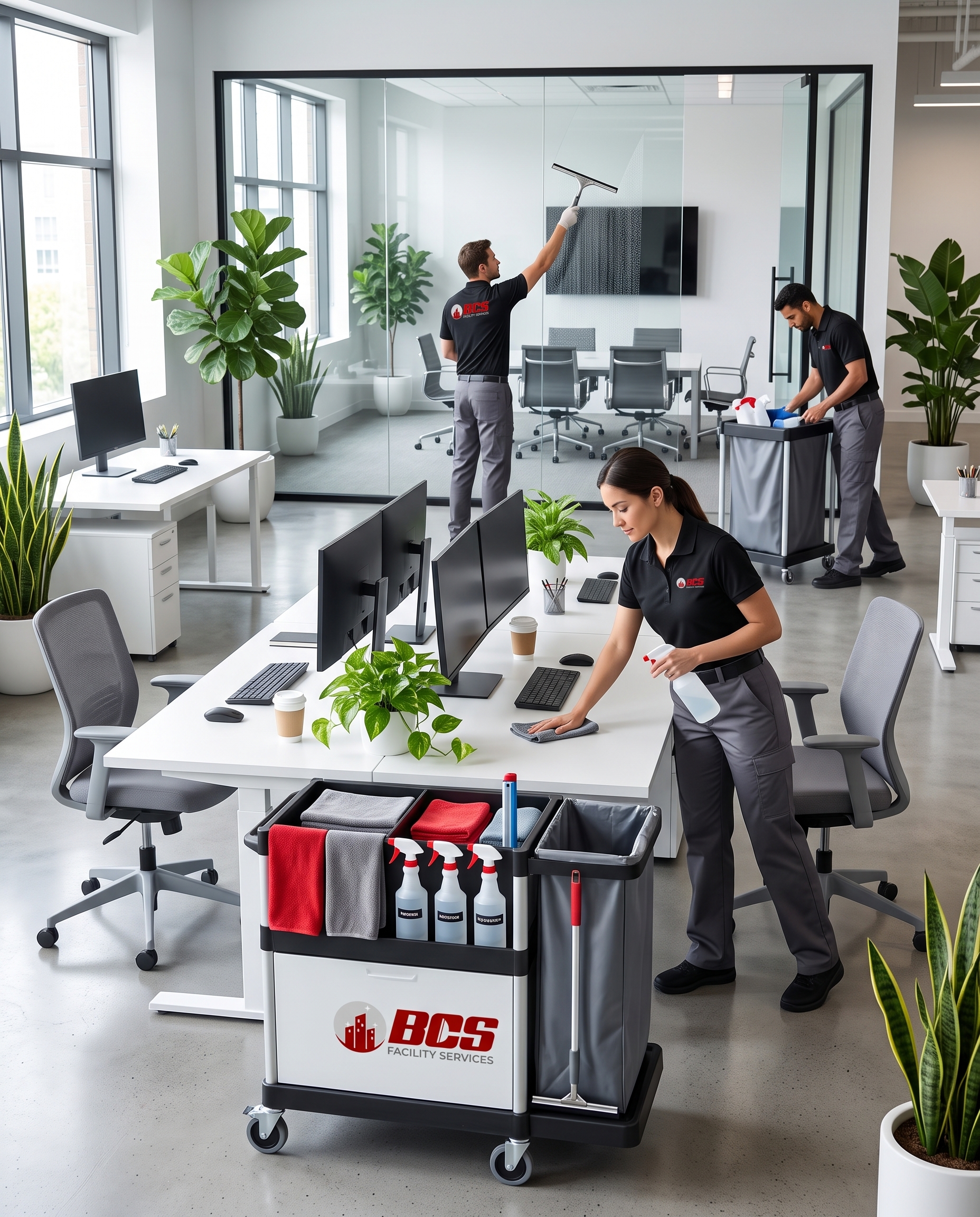
Why Cleaning Frequency Matters More Than You Think
Most business owners think of office cleaning as purely cosmetic — keeping things looking neat for clients and staff. But the health implications are significant. Studies consistently show that dirty workplaces contribute to higher rates of absenteeism, lower employee morale, and increased spread of illness.
In Connecticut’s colder months—which stretch from October through April—offices become hot spots for colds, flu, and respiratory illness. High-touch surfaces like door handles, keyboards, elevator buttons, and shared kitchen appliances can harbor pathogens for hours or even days without proper disinfection.
Regular professional cleaning isn’t just about appearances. It’s a direct investment in your team’s health and your company’s productivity.
Factors That Affect How Often Your Connecticut Office Needs Cleaning
1. Employee Headcount and Density
The more people sharing a space, the faster surfaces accumulate bacteria, dust, and debris. An office with 30 employees sharing two restrooms and a kitchen needs professional attention far more frequently than a 5-person boutique studio.
2. Industry and Compliance Requirements
Certain industries in Connecticut have legal or regulatory expectations around hygiene. Medical and dental offices, food-adjacent businesses, childcare facilities, and schools often need to meet CDC, OSHA, or state Department of Public Health standards. Failing to maintain proper cleaning in these environments isn’t just a health issue — it’s a liability issue.
3. Client and Visitor Traffic
If clients, patients, or customers regularly visit your space, cleanliness becomes part of your brand. A busy law firm or real estate office welcoming clients daily should be professionally cleaned every weekday. First impressions are made in seconds — and a dusty lobby or smudged glass door speaks volumes.
4. Season and Weather
Connecticut winters are rough on office floors. Mud, salt, and slush get tracked in from November through March, accelerating wear on carpets and hard floors. Consider increasing cleaning frequency during these months—especially entrance areas, lobbies, and high-traffic corridors.
5. Type of Work Being Done
Offices where physical work happens—warehouses, workshops, medical treatment rooms, school art classrooms—accumulate more mess than standard desk environments. The nature of the work directly affects how quickly surfaces degrade without cleaning.
What a Professional Cleaning Visit Actually Includes
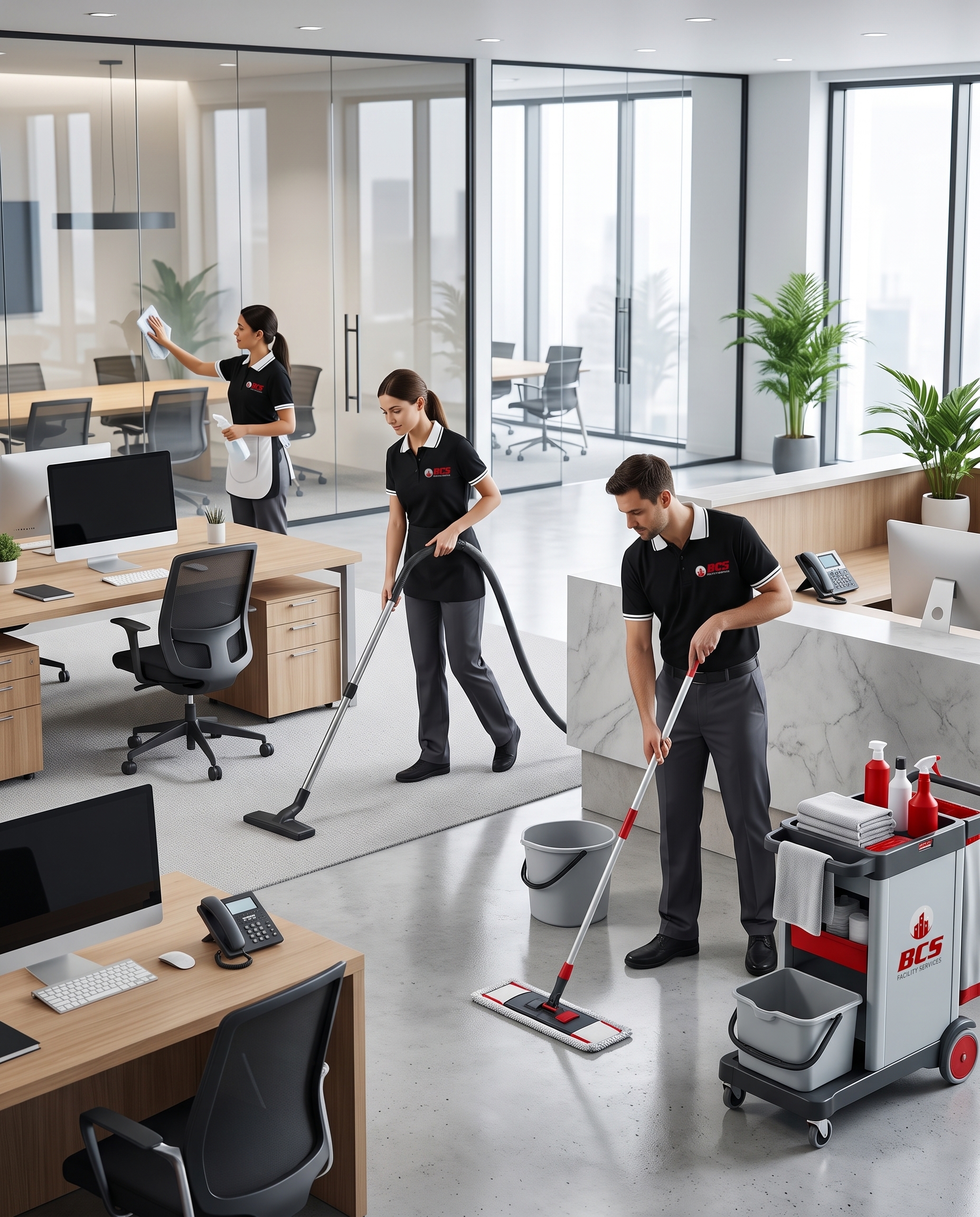
Not all cleaning visits are equal. A professional janitorial service like Burgos Cleaning covers far more than a quick vacuum and trash removal. Depending on your schedule, a typical visit includes the following:
- Vacuuming and mopping all floor surfaces
- Disinfecting restrooms, including toilets, sinks, mirrors, and fixtures
- Wiping down and sanitizing high-touch surfaces (desks, handles, switches)
- Cleaning and disinfecting kitchen or break room areas
- Emptying trash and recycling bins
- Glass and window surface cleaning
- Spot-cleaning walls, doors, and partitions as needed
- Periodic deep cleaning of carpets, upholstery, and hard-to-reach areas
For medical and specialized facilities, visits also include proper disposal of regulated materials, use of hospital-grade disinfectants, and adherence to strict contamination protocols.
Signs You’re Not Cleaning Your Connecticut Office Often Enough
If any of the following sound familiar, it’s time to reassess your cleaning schedule.
- Employees are frequently getting sick or complaining about air quality
- Trash bins overflow between cleaning visits
- Restrooms run out of supplies or develop odors mid-week
- Carpets visibly show dirt or matting in high-traffic paths
- Clients or visitors comment on the cleanliness of your space
- Dust is visible on desks, shelves, or vents within days of a cleaning
- Your kitchen or break room regularly looks cluttered or unsanitary
Building a Custom Cleaning Schedule for Your Connecticut Office
The best cleaning schedule is the one built specifically for your business. A general template is a good starting point, but the most cost-effective and health-conscious approach is a plan that accounts for:
- Your exact square footage and floor plan
- The number of employees and their working hours
- Your industry and any compliance requirements
- Your budget and preferred service days
- Any special areas that need extra attention (server rooms, treatment areas, reception)
At Burgos Cleaning, we work with businesses across Connecticut — from small offices in Simsbury and Farmington to larger facilities in Hartford and West Hartford — to develop cleaning plans that fit both their needs and their budget. No cookie-cutter packages.
Ready to build a cleaning schedule that works for your office?
Burgos Cleaning serves businesses throughout Connecticut, including Hartford, West Hartford, Farmington, Simsbury, Avon, Bloomfield, Windsor, Newington, and more. Our team is locally owned, fully vetted, and committed to delivering consistent, professional results.
📞 Call us at 860-709-5220 | ✉ info@burgoscleaning.com | burgoscleaning.com/contact